ServicesCode Corrections & Inspection Fixes
Code Corrections and Inspection Fixes in River Oaks
Got a list of electrical items from a home inspector or a failed permit inspection? We go through it with you, correct each item with the right parts, and explain why we chose a GFCI breaker over an outlet or copper pigtails over a quick splice.
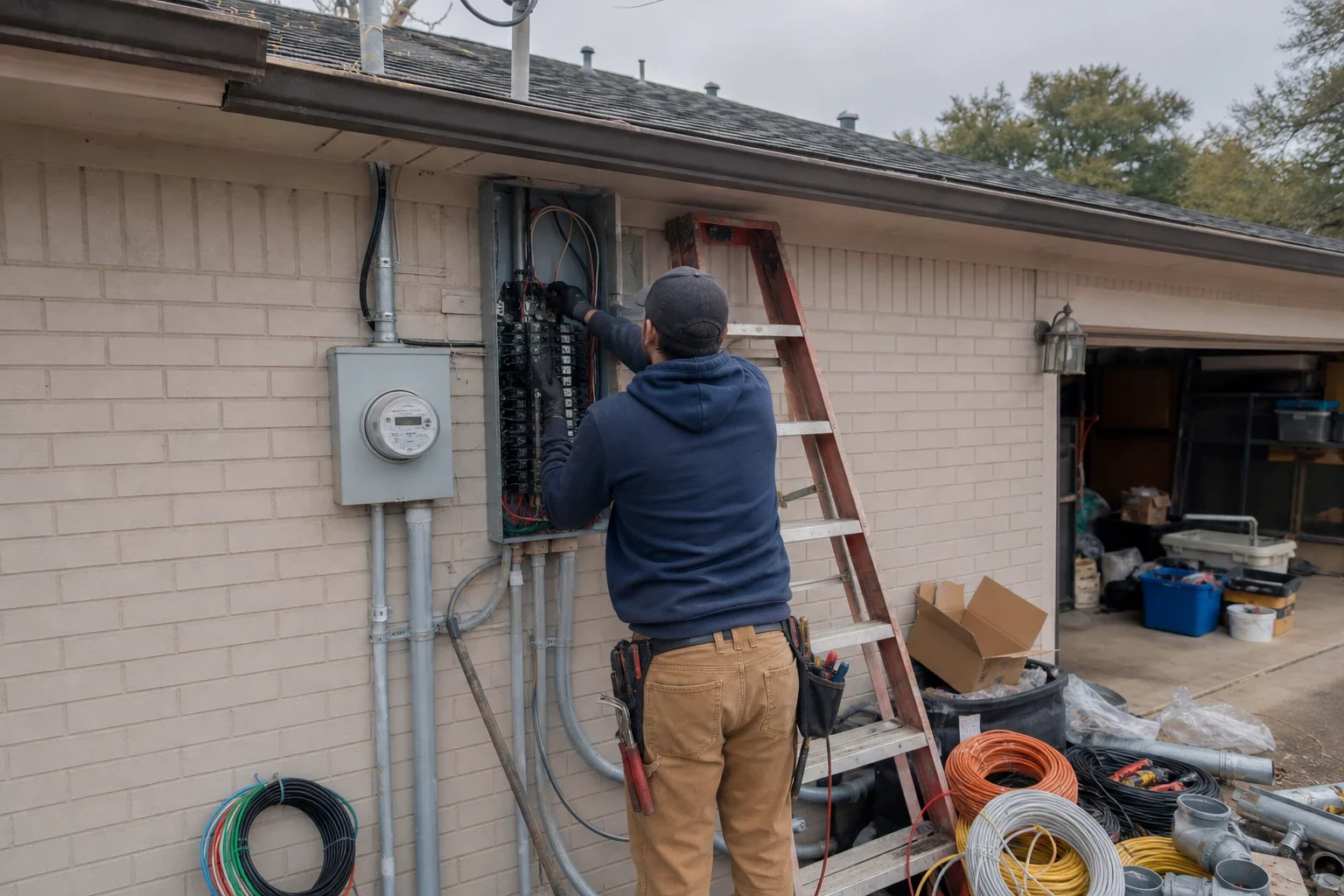
Turning an Inspection List Into Finished Work
An inspection report can read like a wall of codes and abbreviations. Most items are small and fixable: an outlet near a sink without ground-fault protection, two wires sharing a breaker built for one, a junction box with no cover. A few point to something bigger, and we tell you which is which before any work starts.
Many corrections come down to choosing a material. There is often more than one code-compliant way to fix an item, and the options differ in cost, how they hold up and how easy they are to live with. We lay those choices out in plain terms so you pick what suits your home and budget.
Our work is done under a Master Electrical License, and our licensed and insured electricians handle every correction on the list, from the panel to the outdoor outlets.
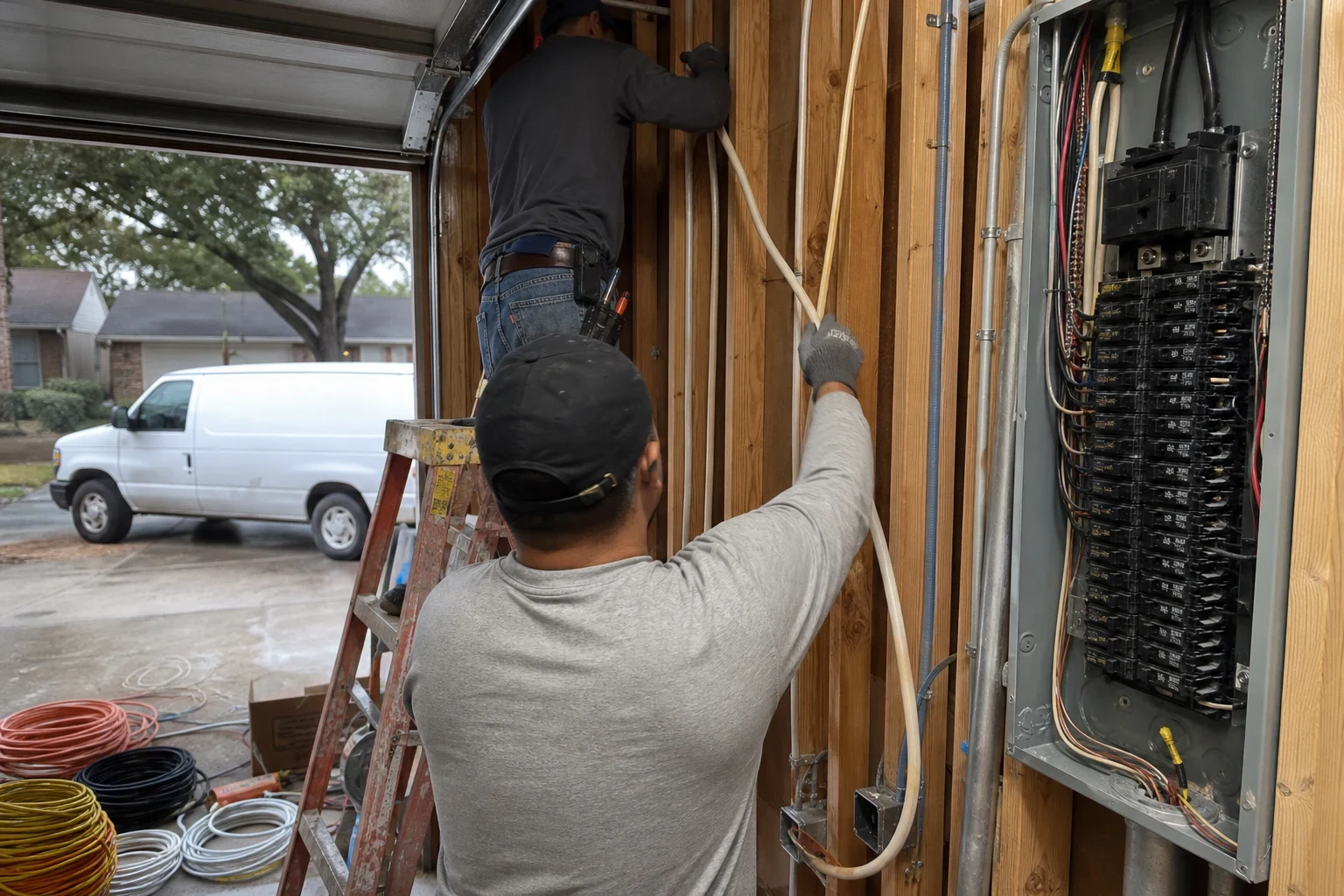
What We Handle on a Correction Visit
- 01
Going over the report together
We work through the inspector's notes one at a time and verify each problem on site. If an item is misnamed or already in good shape, we tell you.
- 02
GFCI and AFCI protection
Kitchen, bath, garage and outdoor circuits often call for GFCI protection, and many bedroom and living area circuits need AFCI. A GFCI receptacle is the cheaper fix for a single spot. A dual-function breaker covers the full circuit from the panel, which is useful when outlets are scattered or hard to get to.
- 03
Panel findings
Inspectors often flag double-tapped breakers, open knockouts, unmarked circuits and loose neutrals. We fix them using parts listed for your panel rather than off-brand breakers that just happen to fit.
- 04
Grounding and bonding
We inspect the grounding electrode connection and the bonding on metal water and gas piping, and install or swap clamps and conductors that are absent or corroded.
- 05
Outdoor and damp spots
Outside receptacles get weather-resistant devices and in-use covers that close over a plugged-in cord. Exposed wiring goes into PVC or metal conduit, chosen by how much sun and contact the spot gets.
- 06
Connections on aluminum and mixed wiring
When we find aluminum branch wiring, we join it with connectors rated for aluminum-to-copper rather than ordinary wire nuts, which can work loose as the two metals expand and shrink.
Questions about Code Corrections & Inspection Fixes?
Call(682) 310-2319When You Need Code Corrections
A home sale inspection flagged electrical items
Buyers and lenders often want repairs done before closing. We can work from the report and give you a clear record of what was corrected.
A permit inspection did not pass
If a project failed inspection, we review the correction notice, fix the listed items and get the work ready for reinspection.
Outlets near water have no reset button
Kitchen counters, bathrooms, laundry areas and garages without GFCI protection are among the most common findings.
Warm covers or a buzzing panel
Heat at a switch plate or a breaker that hums can mean a loose or overloaded connection. That is worth correcting before it becomes a repair.
Work left behind by a previous owner
Extension cords run through walls, open splices in the attic and lights wired without boxes all show up on inspections, and all of them can be made right.
How the Work Goes
- 1
Talk it through by phone
Tell us what the inspection found and, if you can, have the report handy. We set a time for a service visit.
- 2
Confirm each item on site
We check every listed issue, test circuits, and note anything else that would likely fail a second look. You get your options and the material choices for each item before we begin.
- 3
Make the corrections
We protect floors and work areas, shut off only the circuits we need, and fix items in an order that keeps most of your home powered. In the Texas summer we plan attic work for cooler hours when we can.
- 4
Permits and reinspection
Where a permit is needed, we handle it and the inspection as required by the local jurisdiction. We clean up and walk you through what changed.
What Changes the Price of Code Corrections
Cost depends on the length of the list and what each item needs to be done right. We go over material options item by item so you see where your money goes, and you know the scope and price before work starts.
- How many items and what kind
- Replacing a handful of receptacles goes quickly. New circuits, panel fixes or rerouted wiring take more hours and materials.
- Breakers or devices
- A dual-function AFCI/GFCI breaker costs more than a single protected outlet, yet one breaker can protect an entire circuit. When both would pass, we show you each.
- How easy the wiring is to reach
- Open attics and reachable panels keep labor low. Finished walls, cramped crawl spaces or ceilings without attic space overhead take longer.
- What's inside the walls
- Crumbling insulation, aluminum wiring or burned connections uncovered along the way can lengthen the list. We pause, show you and discuss it before continuing.
- Whether a permit is needed
- Certain corrections require a permit and inspection, which bring fees and extra scheduling time.
Code Correction Questions
Can you work straight from my home inspector's report?
Yes. We use the report as our starting list and confirm each item in person. Inspectors sometimes flag something that turns out to be fine, and sometimes an item needs more than the note suggests. Either way, we explain what we find.
Do I have to replace every two-prong outlet?
Not always. Running a ground wire is one option, but code also allows GFCI protection on ungrounded circuits when the outlets are labeled correctly. We look at your wiring and tell you which approach makes sense for each room.
Is a GFCI breaker better than a GFCI outlet?
Both pass code when installed right. An outlet is cheaper and resets right where you are standing. A breaker protects everything on the circuit and avoids a reset button in an awkward spot, like behind a refrigerator.
Will you handle permits and the reinspection?
When the corrections call for a permit, we take care of it and the inspection as required by the local jurisdiction. If a reinspection is needed after a failed permit, we get the work ready for it.
What if you find more problems while fixing the list?
We stop and show you. Nothing extra is added without your approval, and we tell you plainly whether it is a safety issue or something that can wait.
Is the correction work covered by a warranty?
Yes. Our code corrections come with a 1-year workmanship warranty, so if something we installed is not right, we come back and fix it.
Ready to Clear Your Inspection List?
Tell us what the inspector found and we will set up a time to look at it with you. You will know your options and the parts we plan to use before any work begins.