ServicesGenerator Service & Repair
Generator Service & Repair for River Oaks Homes
A standby generator can sit idle for months and then let you down during the one outage that counts. We maintain and fix home generators and transfer switches, tell you which fluids and parts suit your unit, and run it under load to prove it can power your home.
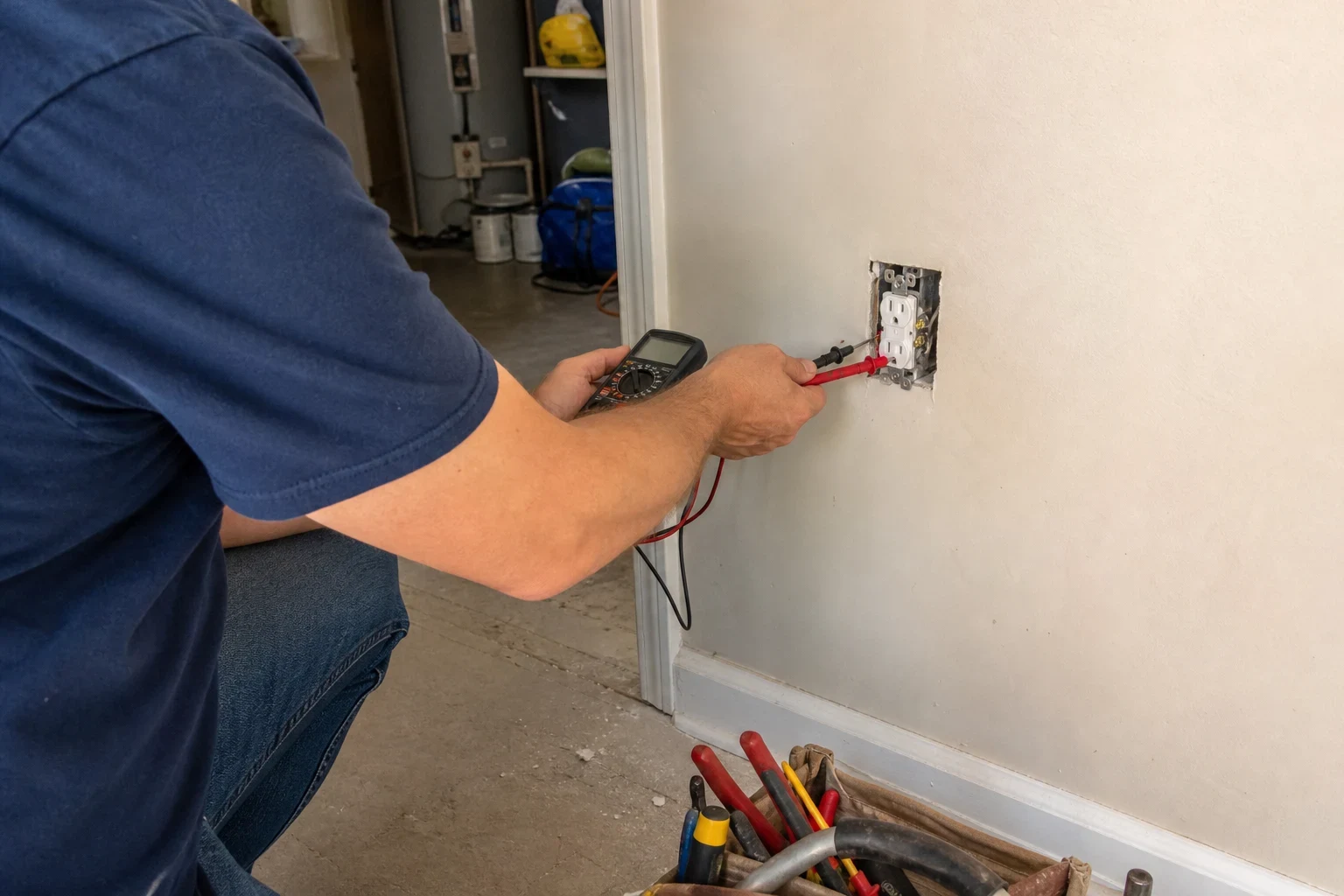
Keeping your backup power ready to start
Generators wear out in ways you can't see from the yard. Oil breaks down even when the engine barely runs. Starter batteries lose strength in heat. The weekly exercise cycle rarely puts real load on the engine. We check all of it: the engine, the generator end and the automatic transfer switch that hands your home over when the grid drops.
Many repairs come down to choosing the right material. Synthetic or conventional oil, a flooded battery or a sealed AGM, an original air filter or an aftermarket one. We explain the trade-offs in plain terms, recommend what fits your unit and how you use it, and let you make the call.
What a generator service visit covers
- Oil, filter and spark plugs
- We drain and replace the oil with the weight and type your engine's manual calls for, change the oil filter, and replace or gap the spark plugs. Air-cooled engines run hot, so we often suggest synthetic oil, which holds up better between changes. Conventional oil works fine on a tighter schedule.
- Starter battery testing
- A weak battery is the most common reason a standby unit won't start. We load-test it, clean the terminals and check the battery charger. If it needs replacing, we explain the difference between a flooded lead-acid battery and a sealed AGM, which costs more but tolerates heat and vibration better.
- Air intake and cooling
- We replace clogged air filters and clear leaves, grass clippings and nests from vents and the enclosure. On liquid-cooled units we check coolant condition and hoses.
- Transfer switch inspection
- We open the automatic transfer switch, look for pitted or heat-discolored contacts, and torque the connections. Loose lugs on aluminum conductors are a frequent cause of overheating, so we apply antioxidant compound where the conductor calls for it.
- Fuel system check
- Natural gas and propane units get a look at the regulator, flexible fuel line and fittings. Gasoline portables get checked for stale fuel and a gummed carburetor, a common problem after a season in the garage.
- Load test and controller review
- We run the generator with your home's circuits on it, watch voltage and frequency, and read the controller's error history. You get written notes on what we found and what we did.
Signs your generator needs a visit
It fails the weekly exercise
If the controller shows a failed start or the unit only clicks, the battery, starter or fuel supply usually needs attention. Finding it now beats finding it during an outage.
Warning lights or error codes
Low oil pressure, overcrank and overspeed codes each point to a different problem. We read the history and trace the cause instead of just clearing the alarm.
Lights flicker on generator power
Unsteady output can mean a governor issue, a failing voltage regulator or a generator that's undersized for what's connected. Testing under load tells us which.
Rough running, smoke or new noises
Black smoke or surging often means a fuel or air problem, while blue smoke points to oil. Either way, avoid running it hard until it's checked.
More than a year since service
Most manufacturers call for yearly service on home standby units, sooner after long run times. A Texas summer is hard on batteries and oil, even on a unit that rarely runs.
What affects the cost
We can't price a repair until we've seen the unit, but we can tell you what moves the number. You'll hear the cost of each item and your material options before we start. Nothing gets added to the bill without your okay.
Type and size of generator
A liquid-cooled standby unit has more to service than an air-cooled one, and a portable has less still. Larger engines take more oil and coolant.
Your material choices
Synthetic oil and AGM batteries cost more up front than conventional oil and flooded batteries. They often last longer in heat, so the better value depends on how much your generator runs.
What the inspection finds
A routine tune-up is one thing. A failed controller board, burned transfer switch contacts or a new fuel regulator adds parts and time.
Access and parts availability
Units tucked behind fences or landscaping take longer to work on. Older or less common models may need parts ordered, which can mean a second visit.
How a service visit goes
- 1
Book by phone
Tell us the make, model and fuel type if you know them, plus anything you've noticed. We'll set a time and mention any parts we may bring.
- 2
Inspect and test first
We look the unit over, read the controller, test the battery and open the transfer switch before replacing anything.
- 3
Explain, then repair
We show you worn parts and walk through material choices like oil type or battery style, with the cost of each. Work starts once you approve it.
- 4
Load test and wrap up
We run the generator with your home on it, confirm the transfer switch hands power over and back cleanly, and tidy the work area. You keep our notes for your records.
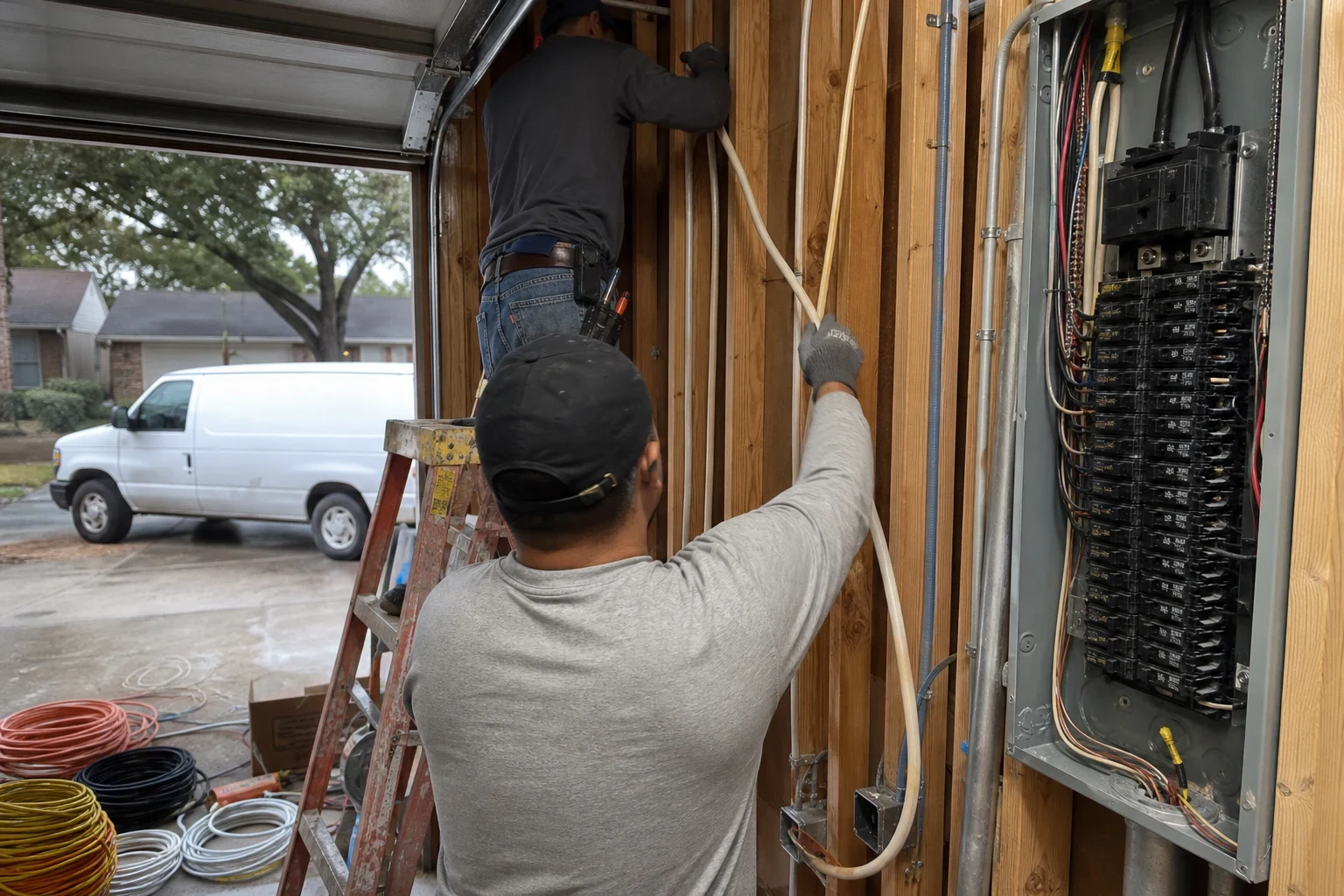
Questions about generator service
How often does a standby generator need service?
Yearly service is a good starting point for most home standby units. After a long run during an outage, book a visit, since oil and filters wear with running hours rather than months. Portables do well with a check before storm season and proper fuel storage in between.
Can you service a portable generator?
Yes. We service portables and make sure they connect to your home safely through a transfer switch or interlock, not a backfeed cord. If you don't have a safe hookup yet, our Generator Installation page covers how we add one.
Synthetic or conventional oil: which is better?
Either works if it matches your manual. Synthetic holds up better in heat and flows more easily on a cold start, a good fit for air-cooled units that live outdoors all year. Conventional is cheaper and fine when changed on time. We'll suggest one based on your engine and how much it runs.
The generator started but the house never switched over. What went wrong?
The cause is usually the automatic transfer switch, its control wiring or a controller setting, while the generator itself may be working. We test the switch, check the sensing and control connections, and make sure power hands off cleanly in both directions.
Who handles the work, and is there a warranty?
Licensed and insured electricians do the work, and the business holds a Master Electrical License, so qualified hands handle the electrical side of your generator and transfer switch. Our service and repair work carries a 1-year workmanship warranty.
Have your generator checked before you need it
We'll test it, service it and lay out your parts and material choices in plain terms. We work in River Oaks, Fort Worth and the nearby towns.